 Awiner Biotech
1 / 5
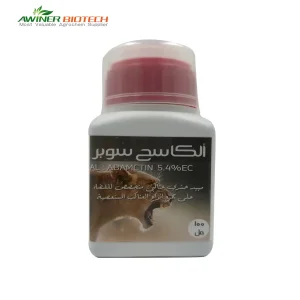
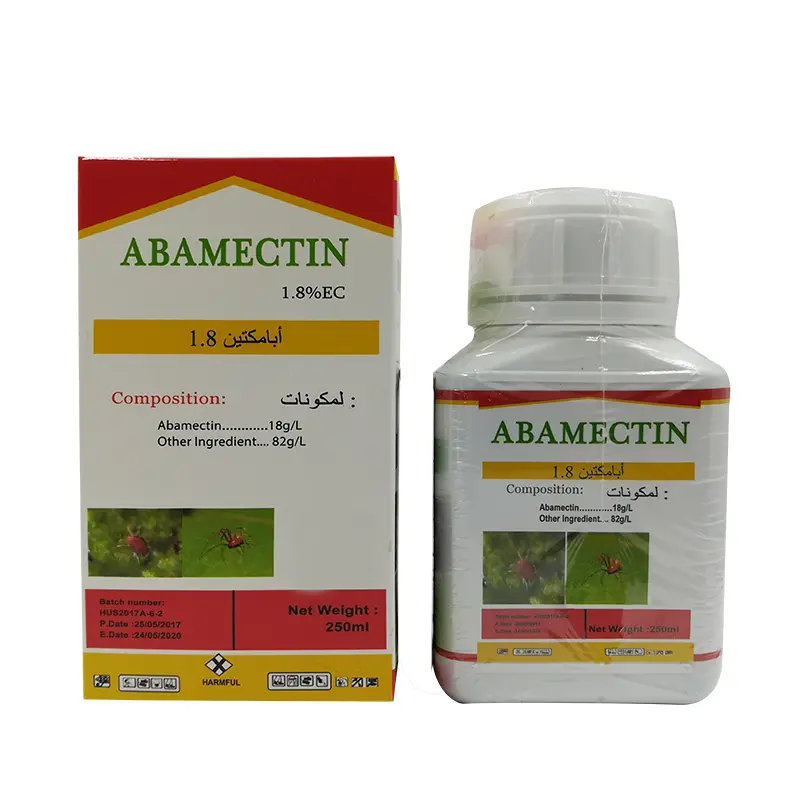
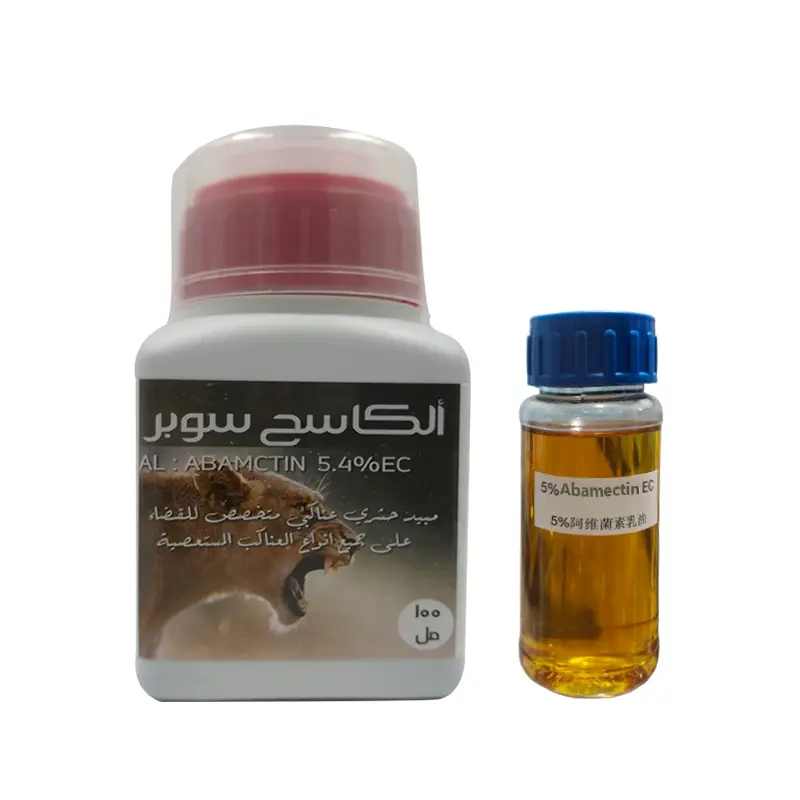
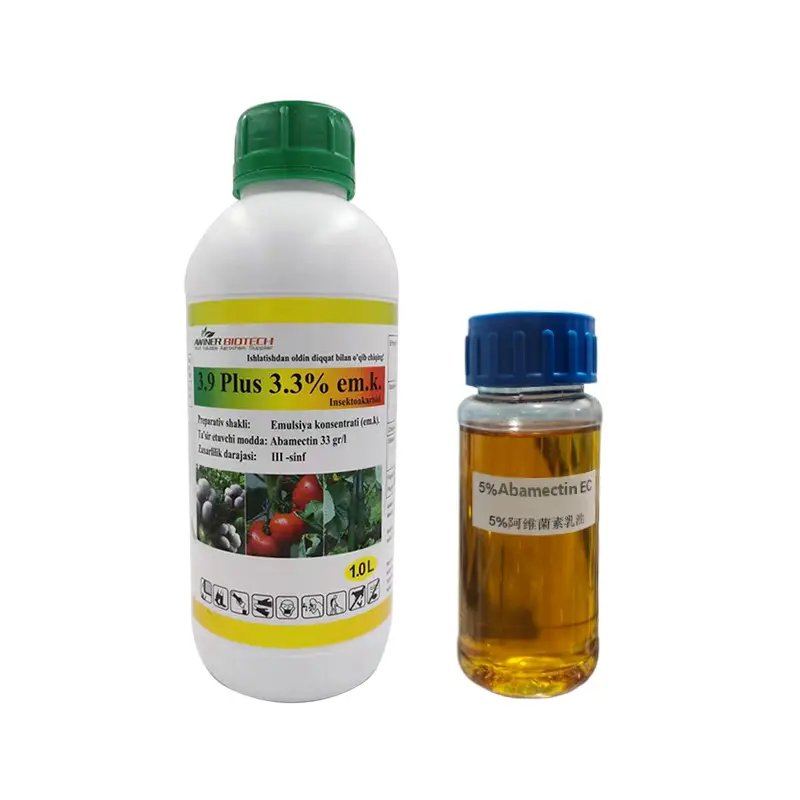
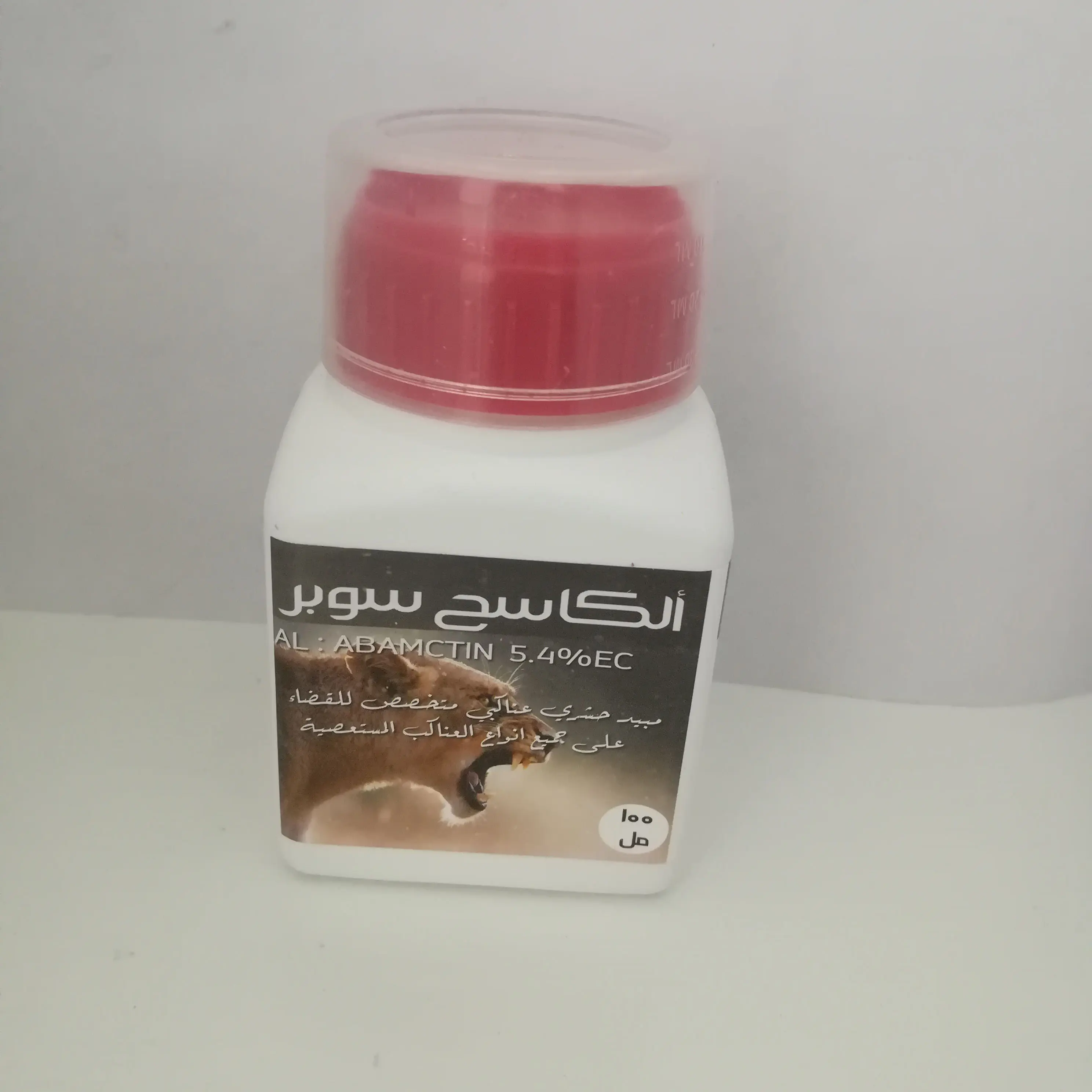
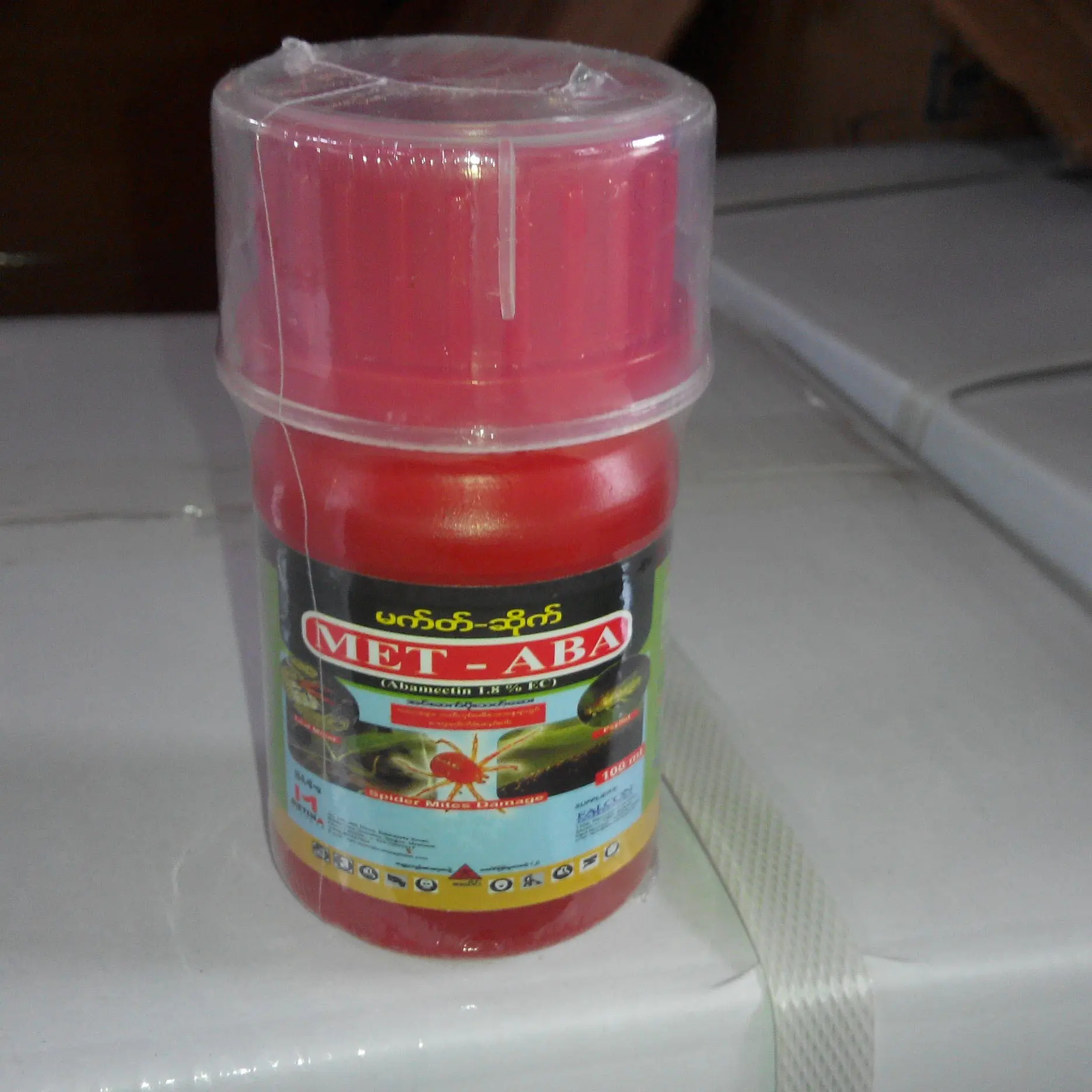
Abamectin is a broad-spectrum insecticide and acaricide derived from the fermentation of Streptomyces avermitilis. It is widely used in agriculture to control a variety of pests, including mites, leafminers, aphids, and caterpillars. Abamectin works by interfering with the nervous system of target pests, leading to paralysis and eventual death.
Effectively targets a wide range of insects and mites.
Provides quick pest knockdown with long-lasting residual effects.
Decomposes quickly under natural conditions, making it safer for beneficial insects and the environment.
Suitable for foliar sprays and soil treatments.
Abamectin is commonly used on crops such as vegetables, fruits, cotton, and ornamental plants. It is most effective when applied during the early stages of pest infestation to prevent population buildup. Proper application rates and safety guidelines should be followed to maximize efficacy.
Abamectin is a broad-spectrum insecticide and acaricide derived from the fermentation of Streptomyces avermitilis. It works by interfering with the nervous system of target pests, causing paralysis and eventual death.
Abamectin effectively controls a wide variety of agricultural pests, including mites, leafminers, aphids, and caterpillars.
It is commonly applied to agricultural crops such as vegetables, fruits, cotton, as well as ornamental plants.
Yes, Abamectin decomposes quickly under natural conditions, ensuring low environmental residue and making it safer for beneficial insects when used correctly.
Abamectin offers flexible application methods and is suitable for both foliar sprays and soil treatments, depending on the crop and target pest.
It is most effective when applied during the early stages of pest infestation to prevent pest population buildup. Always follow proper application rates and safety guidelines.